Most places you visit are nice for a week, maybe two, and then you move on. India is different. It tends to stick.
Choosing to see India by car fundamentally changes how the country reveals itself to you. It’s not about rushing from airport terminals to train stations. Instead, you actually watch the world shift. The chaos of the city slowly blurs into the quiet of villages. The noise fades into the hum of open roads. Life, real life, happens right outside your glass.
I’ve talked to plenty of travelers from the US, UK, Canada, and Australia who touchdown curious but, frankly, a little wary. India has a reputation for being intense. And it is. But once you hit the road, that intensity often gives way to something else. You find warmth. You find patience. You find a connection you didn’t expect.
Back in 2022, I was on a road trip when our driver suddenly slowed down and pulled over near a tiny tea stall just after sunrise. It wasn’t on the itinerary. It wasn’t a “point of interest.” We just stood there on the side of the road, holding small clay cups of steaming chai, watching the light spill over the fields. No guidebook could have given me that moment. It was simple. It was real. It grounded me.
That is the beauty of a road trip here. It’s the moments you never planned that end up being the ones you never forget.
Why Driving Hits Different
Flying gets you to the destination. Driving shows you how people actually live there.
Official data from India’s Ministry of Tourism shows that international visitors are increasingly opting for private cars, and honestly, it makes sense. It’s not just about comfort or AC; it’s about the vibe. You aren’t a slave to a rigid schedule. You see a colorful market that looks interesting? You pull over. You hear a temple bell? You stop and listen.
The Experience Checklist:
Stop literally whenever you want.
Linger in places that make you feel something.
Find towns that don’t even appear in guidebooks.
Travel at your own rhythm.
I remember a traveler telling me once, “At first, I felt like I was watching India through a TV screen. Then, suddenly, I felt like I was part of the show.” That shift is real.
The Golden Triangle: The Best Way to Start
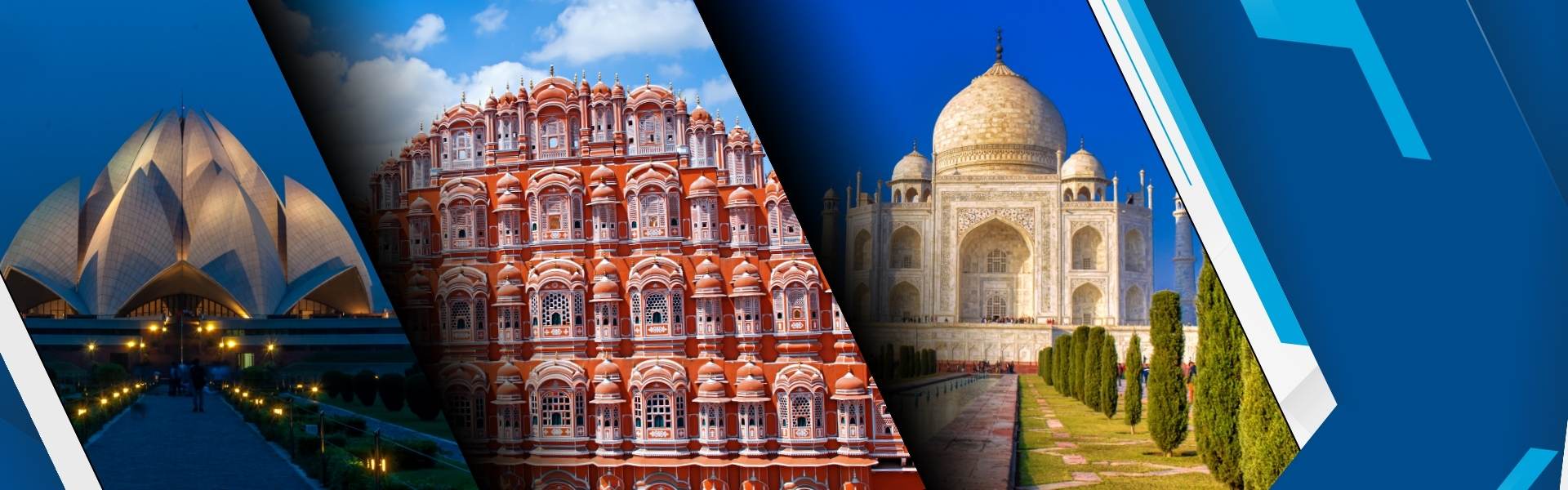
If it’s your first time, the classic loop connecting New Delhi, Agra, and Jaipur is the perfect entry point. It gives you the icons the Taj Mahal, India Gate, the Pink City but keeps the driving times manageable.
You get the history, the chaos, and the colors without getting overwhelmed. But here is the trick: plan it well.
Smart Route Planning:
Start driving early. The roads are calmer, and the air is cooler.
Leave at least one afternoon completely open. Do nothing.
Don’t check out of a city every single morning.
The first time I did this route, I overscheduled. By day four, I was fried. I realized the best parts weren’t the forts; they were the unexpected stops. India doesn’t reward rushing. It rewards attention.
Do You Need a Driver?
If you’re from the West, the short answer is: yes, probably.
India drives on the left, which helps if you’re from the UK or Australia, but the traffic flow is. organic. Even the U.S. State Department suggests visitors think twice about self-driving if they aren’t used to local conditions.
Why a Driver is a Game Changer:
They instinctively read the traffic (which is an art form here).
They know the clean, safe spots for a bathroom break or lunch.
They bridge the language gap.
Plus, they are part of the experience. Once, in Rajasthan, our driver slowed down because he heard music. A wedding procession was coming down the road—drums, dancing, horses. We just sat there and watched it unfold. If I’d been in a taxi rushing to the next hotel, I would have missed it. Good drivers don’t just steer; they connect you to the place.
Going Deeper: Rajasthan and Kerala
Once you’ve got your road legs, you want to go further.
Rajasthan: It feels cinematic. Jodhpur and Udaipur have this dusty, royal grandeur. Standing on a rampart overlooking the blue city or watching the sun go down over Lake Pichola… it hits you.
Kerala: Then you go south, and the volume turns down. The backwaters and the hills of Munnar are about slowing way down. Kerala Tourism has noticed a big spike in people wanting nature-based, longer stays. It makes sense. You go there to exhale.
When to Go and How to Act
Weather is the boss in India.
October to March: This is the sweet spot. Cool, dry, perfect for the north.
April to June: It gets hot in the plains, but the hills are gorgeous.
July to September: Monsoon. It’s lush and green, but be ready for rain.
And be kind. The culture responds to respect.
Dress modestly, especially at temples.
Use your right hand to eat or pass things.
Learn to say “Namaste.” It goes a long way.
I once asked a shopkeeper about a fabric he was weaving. He ended up inviting us upstairs for tea and told us stories about his family for an hour. That interaction wasn’t on any map.
Don’t Make These Mistakes
The biggest error travelers make is treating India like a checklist.
Don’t drive 6 hours every single day. You will be exhausted.
Don’t try to see ten cities in two weeks.
Don’t choose the cheapest car option. Comfort matters on bumpy roads.
India isn’t a place you conquer. It’s a place you absorb.