
Traveling India by Car or Public Transport: Which Is Better for Tourists — And Why Cab services in Agra Are a Game-Changer
You’ve just landed at Delhi’s Indira Gandhi International Airport. Your bags are collected, your phone is buzzing with Google Maps notifications, and you have one burning question: How do I actually get around this country?
India is massive. It’s the seventh-largest country on Earth, stretching from the snow-capped Himalayas in the north to the tropical backwaters of Kerala in the south. India is a vast and diverse country with an equally diverse transportation system — from ultra-modern metro trains to scenic rail journeys, budget buses to luxury private cars. And the way you choose to move through it will shape your entire experience.
So, should you go with public transport — trains, buses, auto-rickshaws — or hire a private car? And if you’re visiting Agra (which you almost certainly are), what makes cab services in Agra such a popular choice for both international and domestic tourists?
Let’s break it all down.
Why Transportation Choices Matter More in India Than Anywhere Else
India is a country where distances are vast, cultures change every few hours, road conditions vary from region to region, and travel planning requires clarity more than excitement. For international travelers, the way transport is arranged often decides whether a journey feels overwhelming or smooth. Understanding tour and transport services in India is therefore not a secondary detail — it is the backbone of a successful trip.
Unlike most Western countries where you can rent a car and drive yourself, traveling independently in India without local knowledge can be challenging. Traffic patterns, driving etiquette, signage, and road rules are very different. This is why most international visitors rely on private car and driver services in India.
The two main choices come down to:
Public transport
Trains, government and private buses, auto-rickshaws, metro systemsPrivate transport
Hired cabs, chauffeur-driven car rentals, app-based taxis
Each has genuine strengths, but the “best” option depends on your route, budget, group size, and comfort level.
Public Transport in India: The Affordable Adventure
Trains — The Backbone of Indian Travel
Train travel is one of the most affordable and scenic ways to explore India. India’s railway system is one of the largest in the world and a favorite choice among travelers. It allows tourists to experience the country’s landscapes, culture, and daily life while traveling long distances comfortably and economically.
For many travelers, train journeys in India are part of the adventure. The Indian Railways is one of the largest networks in the world, carrying millions daily. From sipping chai on a long ride to meeting local families, trains give you a unique cultural immersion that you can’t get by air or car.
A quick look at approximate costs:
- A Delhi–Agra ticket can cost as little as $5–10 in AC class.
- The Gatimaan Express covers Delhi to Agra in just 100 minutes.
That speed and price point are tough to beat.
The Downsides of Public Transport
But here’s the other side of the coin. Train travel also comes with limitations. Schedules may change, seats sell out quickly, and stations can feel overwhelming for first-time visitors. For short itineraries or families with kids, the romance of the railway can turn tiring when frequent travel is involved.
Public transportation is widely available, though it can be crowded and may not always be punctual. And once you reach a city like Agra, the local transport infrastructure for tourists has gaps. Taj Mahal and Agra Fort are nearby monuments but Sikandra and Baby Taj Mahal are quite far, and there is no public bus covering these spots, so it is recommended to hire a taxi cab in Agra.
City Buses and Auto-Rickshaws
India’s public transport system is well-developed and widely used by locals and tourists alike. With options such as metro trains, city buses, and auto-rickshaws, travelers can move around conveniently while experiencing everyday local life at a low cost.
However, auto-rickshaws require fare negotiation. Always negotiate the fare before getting in or ask the driver to go by the meter. For tourists unfamiliar with local pricing, this can sometimes lead to overcharging.
Traveling India by Car: Comfort, Flexibility, and Control
Why Private Cars Win for Most Tourists
Hiring a private car with a driver in India transforms the journey into something more personal and flexible. It removes the rush of train schedules and the hassle of finding tickets or platforms. You control when to stop, how long to stay, and where to detour. For visitors new to India, this comfort is invaluable. A professional driver handles traffic, directions, parking, and safety, while you sit back and absorb the views. Roads between major tourist destinations — Delhi, Agra, Jaipur, Udaipur, and Jodhpur — are now excellent, often dotted with rest stops and clean cafés.
For families, seniors, or first-time international visitors, this option simply removes the stress.
Cost Breakdown: Is a Private Car Expensive?
Not as much as you’d think, especially when costs are shared:
- Small car with driver: $35–50 per day. SUV with driver: $50–80 per day. Luxury cars (Mercedes, BMW): $150–300 per day. Fuel, tolls, and driver allowances are usually included. For Golden Triangle trips (Delhi–Agra–Jaipur), expect $250–350 for 4–5 days with a mid-range vehicle.
For a group of 3–4 travelers, that breaks down to $60–90 per person for nearly five days of door-to-door travel. Hard to argue with that value.
Safety: The Deciding Factor for Many
Safety is often the top priority for foreign visitors, especially those traveling with children or valuables. India’s trains are generally safe, but crowded platforms, heavy luggage, or overnight travel can occasionally feel overwhelming. With a private car and driver, travelers enjoy controlled safety. Drivers are verified, licensed, and experienced with tourists. Vehicles are well-maintained, and passengers can leave belongings securely inside while sightseeing. For solo women travelers or elderly guests, this adds a layer of reassurance. You always have a familiar face waiting when you return from a monument or market.
Cab services in Agra: Why Tourists Rely on Them
Now let’s talk specifically about Agra — one of the most visited cities on the planet, home to the Taj Mahal.
Agra’s Unique Transport Challenge
Cab services in Agra are mainly used by tourists, as the city is crowded with visitors all year round. While Agra has auto-rickshaws and cycle-rickshaws, they aren’t ideal for covering all the major sights in a single day.
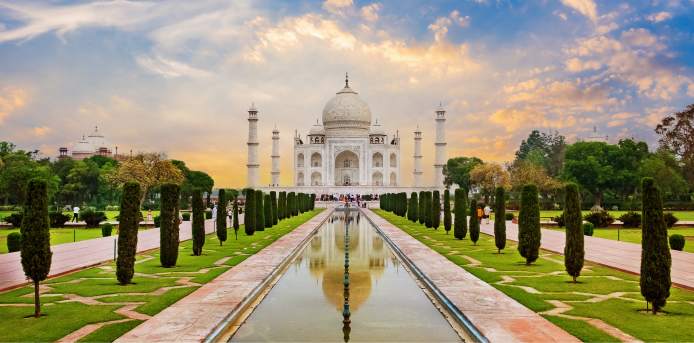
Agra is a popular tourist spot due to a multitude of reasons. It receives both domestic and international tourists all year around. From the majestic Taj Mahal to other places of interest such as the Tomb of Itimad-ud-Daulah (popularly known as Baby Taj) and Agra Fort, there is so much in Agra which tourists would want to explore. Adding to the list is the lure of shopping. People come especially to Agra to buy its famous ‘Petha’ and check out popular shopping areas. The best way to explore this city to the fullest is by booking local cab services in Agra.
What Cab Services in Agra Offer
The best cab services in India’s tourist cities have evolved to meet international standards. Here’s what you can typically expect when booking cab services in Agra:
- Multiple vehicle options: You can hire midsize sedans, SUVs, large cabs, or tempo travellers for touring Agra.
- GPS tracking and safety features: Cabs are equipped with GPS trackers so that your exact location is known to your family and even the company.
- Trained local drivers: Cab drivers are well trained and experienced. Being locals, they know a lot about the city which you won’t find in books.
- 24/7 availability: Some providers offer 24×7 taxi services in Agra, allowing customers to book cabs at any time for early morning, late night, or emergency travel needs.
Approximate Cab Costs in Agra
Generally, taxi prices depend upon the duration and type of cab. For 6 hours, costs are approximately: Sedan (INR 2,100), SUV (INR 3,000), Tempo Traveller (INR 4,500), and Mini Bus (INR 7,500). A sedan cab is the economic option for exploring nearby monuments and costs about INR 9 per km.
That’s incredibly affordable for a full day of sightseeing with a private driver.
A Sample Full-Day Itinerary by Cab in Agra
Here’s what a typical day touring Agra by cab looks like:
- Early morning sunrise visit to the Taj Mahal
- Breakfast back at the hotel
- Drive to majestic Agra Fort and explore its buildings and palaces.
- Drive to Sikandra to explore Akbar’s Tomb, the burial place of the mighty king.
- Drive to Baby Taj Mahal, constructed by Mughal Empress Nur Jahan in memory of her father.
- Finally, drive to Mehtab Bagh, the sunset viewpoint of the Taj Mahal.
Covering all of this without a reliable cab would be nearly impossible.
Delhi Airport to Taj Mahal Taxi Services: The Gateway Route
For most international tourists, the journey begins at Delhi’s IGI Airport. The Delhi Airport to Taj Mahal taxi service route is one of the busiest tourist corridors in India.
Distance and Duration
Professional drivers ensure a safe and stress-free journey, covering the 230 km distance in approximately 3–4 hours via the Yamuna Expressway.
What to Expect Fare-Wise
On average, you can expect the fare to range from INR 2,500 to INR 4,000 for a one-way journey.That’s roughly $30–$48 USD — an outstanding value for a 3–4 hour private ride directly from the airport to one of the Seven Wonders of the World.
Specifically, an AC small car like Indica costs approximately ₹3,430, an AC mid-size like Toyota Etios costs ₹3,600, and a large AC car like Ertiga or Innova costs ₹5,010 onwards.
Why Pre-Booking Is Smart
Choosing a private transfer offers exclusive benefits such as personalized meet-and-greet, fixed pricing, and timely service without the hassle of negotiating fares or waiting in queues. This is especially helpful after a long international flight when you’re tired and unfamiliar with the surroundings.
Reliable Cab Services in India: What to Look For
Not all cab services are created equal. When choosing among the best cab services in India, keep these criteria in mind:
- Verified and background-checked drivers: Complete background checks and verification should be done for every driver hired.
- Transparent pricing: No hidden charges for tolls, parking, or night surcharges should be a given. Always confirm this upfront.
- Vehicle condition: All cabs should be air-conditioned and well maintained.
- Online booking capability: Look for services where you can book a cab online within minutes with instant confirmation.
- Flexibility: Pick from a day city tour or an extended hour package, a round trip or a one-way journey.
App-Based vs. Local Cab Companies
Uber and Ola are widely used for taxis and auto-rickshaws. RedBus is popular for intercity bus bookings. While these apps work well in Delhi, Mumbai, and Bangalore, they can be less reliable in smaller tourist cities like Agra or Jaipur. This is where local, tourism-focused cab operators shine — they understand tourist itineraries, monument timings, and local roads far better than an algorithm.
Pro Tips for Choosing the Right Transport in India
Combine modes wisely. Many travelers combine express trains for long routes and cars for local travel. Take the Gatimaan Express from Delhi to Agra, then hire a cab locally.
Book trains early. Booking train tickets in advance through the IRCTC website ensures you get a reserved seat on your preferred train.
Pre-book Delhi Airport to Agra taxis. Negotiating fares at the airport after a long flight is the last thing you want to do. Book your Delhi Airport to Taj Mahal taxi service in advance for fixed pricing.
Don’t self-drive. Self-drive rentals exist in India, but they are rarely recommended for first-time international visitors. Local driving habits, dense traffic, and limited roadside assistance can make self-driving stressful.
Always confirm pricing. Ask about toll charges, parking fees, night charges, and waiting fees before you book any cab — whether it’s in Agra or anywhere else in India.
FAQ: Common Questions About Traveling India by Car and Public Transport
Q: Is it safe for solo female travelers to use cab services in Agra?
Yes, reputable cab providers in Agra use GPS-tracked vehicles with verified drivers. Many cabs are equipped with GPS, which is considered very safe for women travelers.Always book through a recognized company rather than hailing random cabs on the street.
Q: What's the best way to get from Delhi Airport to the Taj Mahal?
India Taxi Online and similar services offer hassle-free taxi service from Indira Gandhi International Airport to the Taj Mahal in Agra. The journey takes 3–4 hours via the Yamuna Expressway. Pre-booking is recommended for fixed pricing and airport pickup. or one can book the tour directly.https://triptotajmahal.com/taj-mahal-tour/
Q: How much does a cab cost for a full day in Agra?
For 6 hours, a sedan costs approximately INR 2,100, an SUV around INR 3,000, and a Tempo Traveler about INR 4,500. Rates may vary slightly by operator and season.
Q: Are trains better than cars for the Delhi–Agra route?
For this specific route, both are excellent options. On busy sectors like Delhi–Agra, fast trains can save hours. The Gatimaan Express covers the route in 100 minutes. However, a private car gives you the flexibility to stop along the way and go directly from point to point without transfers.
Q: Can I use Uber or Ola in Agra?
App-based services have limited availability in Agra compared to Delhi or Mumbai. Cab service in Agra is a pivotal component of the tourism industry, and local operators are often the go-to choice for tourists. Local cab companies that specialize in tourism tend to offer better service, route knowledge, and reliability.
Q: What's the cheapest way to travel India as a tourist?
Trains and government buses are the most budget-friendly. Train fares are much cheaper compared to flights — a Delhi–Agra ticket can cost as little as $5–10 in AC class. For local sightseeing, however, hiring a cab is often worth the upgrade in comfort and efficiency.
Q: Should I tip my cab driver in India?
Tipping isn't mandatory, but it's appreciated. For a full-day service, INR 200–500 is a reasonable tip depending on the quality of service. Drivers who double as informal guides often go above and beyond.
Final Thoughts: There's No Single "Best" Option — But There Is a Smarter One
India doesn’t force you to choose just one mode of travel. The smartest tourists mix and match — taking the Gatimaan Express from Delhi to Agra, booking cab services in Agra for sightseeing, and then hiring a private car for the onward journey to Jaipur.
Choosing the right mode of transport can significantly enhance your travel experience, save money, and ensure comfort and safety.
For Agra specifically, the answer is clear. The city’s spread-out monuments, limited public bus coverage for tourists, and the sheer convenience of having a local driver make cab services in Agra the most practical — and enjoyable — way to experience one of the world’s greatest cities.
Whether you’re a first-time visitor arriving through a Delhi Airport to Taj Mahal taxi service, or a seasoned India traveler looking for reliable cab services in India, the investment in private transport almost always pays off in time saved, stress avoided, and memories made.
Plan smart. Book in advance. And let someone who knows the roads handle the driving — so you can focus on the Taj Mahal sunrise you’ve been dreaming about.

Leave A Comment