

Agra Travel Guide
Traveling India by Car or Public Transport: Which Is Better for Tourists — And Why Cab services in Agra Are a Game-Changer
Traveling India by Car or Public Transport: Which Is Better for Tourists — And Why Cab services in Agra Are a Game-Changer You’ve just landed at Delhi’s Indira Gandhi International Airport. Your bags are collected, your phone is buzzing with Google Maps notifications, and you have one burning question: How do I actually get around this country? India is massive. It’s the seventh-largest country on Earth, stretching from the snow-capped Himalayas in the north to the tropical backwaters of Kerala in the south. India is a vast and diverse country with an equally diverse transportation system — from ultra-modern metro trains to scenic rail journeys, budget buses to luxury private cars. And the way you choose to move through it will shape your entire experience. So, should you go with public transport — trains, buses, auto-rickshaws — or hire a private car? And if you’re visiting Agra (which you almost certainly are), what makes cab services in Agra such a popular choice for both international and domestic tourists? Let’s break it all down. Why Transportation Choices Matter More in India Than Anywhere Else India is a country where distances are vast, cultures change every few hours, road conditions vary from region to region, and travel planning requires clarity more than excitement. For international travelers, the way transport is arranged often decides whether a journey feels overwhelming or smooth. Understanding tour and transport services in India is therefore not a secondary detail — it is the backbone of a successful trip. Unlike most Western countries where you can rent a car and drive yourself, traveling independently in India without local knowledge can be challenging. Traffic patterns, driving etiquette, signage, and road rules are very different. This is why most international visitors rely on private car and driver services in India. The two main choices come down to: Public transport Trains, government and private buses, auto-rickshaws, metro systems Private transport Hired cabs, chauffeur-driven car rentals, app-based taxis Each has genuine strengths, but the “best” option depends on your route, budget, group size, and comfort level. Public Transport in India: The Affordable Adventure Trains — The Backbone of Indian Travel Train travel is one of the most affordable and scenic ways to explore India. India’s railway system is one of the largest in the world and a favorite choice among travelers. It allows tourists to experience the country’s landscapes, culture, and daily life while traveling long distances comfortably and economically. For many travelers, train journeys in India are part of the adventure. The Indian Railways is one of the largest networks in the world, carrying millions daily. From sipping chai on a long ride to meeting local families, trains give you a unique cultural immersion that you can’t get by air or car. A quick look at approximate costs: A Delhi–Agra ticket can cost as little as $5–10 in AC class. The Gatimaan Express covers Delhi to Agra in just 100 minutes. That speed and price point are tough to beat. The Downsides of Public Transport But here’s the other side of the coin. Train travel also comes with limitations. Schedules may change, seats sell out quickly, and stations can feel overwhelming for first-time visitors. For short itineraries or families with kids, the romance of the railway can turn tiring when frequent travel is involved. Public transportation is widely available, though it can be crowded and may not always be punctual. And once you reach a city like Agra, the local transport infrastructure for tourists has gaps. Taj Mahal and Agra Fort are nearby monuments but Sikandra and Baby Taj Mahal are quite far, and there is no public bus covering these spots, so it is recommended to hire a taxi cab in Agra. City Buses and Auto-Rickshaws India’s public transport system is well-developed and widely used by locals and tourists alike. With options such as metro trains, city buses, and auto-rickshaws, travelers can move around conveniently while experiencing everyday local life at a low cost. However, auto-rickshaws require fare negotiation. Always negotiate the fare before getting in or ask the driver to go by the meter. For tourists unfamiliar with local pricing, this can sometimes lead to overcharging. Traveling India by Car: Comfort, Flexibility, and Control Why Private Cars Win for Most Tourists Hiring a private car with a driver in India transforms the journey into something more personal and flexible. It removes the rush of train schedules and the hassle of finding tickets or platforms. You control when to stop, how long to stay, and where to detour. For visitors new to India, this comfort is invaluable. A professional driver handles traffic, directions, parking, and safety, while you sit back and absorb the views. Roads between major tourist destinations — Delhi, Agra, Jaipur, Udaipur, and Jodhpur — are now excellent, often dotted with rest stops and clean cafés. For families, seniors, or first-time international visitors, this option simply removes the stress. Cost Breakdown: Is a Private Car Expensive? Not as much as you’d think, especially when costs are shared: Small car with driver: $35–50 per day. SUV with driver: $50–80 per day. Luxury cars (Mercedes, BMW): $150–300 per day. Fuel, tolls, and driver allowances are usually included. For Golden Triangle trips (Delhi–Agra–Jaipur), expect $250–350 for 4–5 days with a mid-range vehicle. For a group of 3–4 travelers, that breaks down to $60–90 per person for nearly five days of door-to-door travel. Hard to argue with that value. Get the pricing Safety: The Deciding Factor for Many Safety is often the top priority for foreign visitors, especially those traveling with children or valuables. India’s trains are generally safe, but crowded platforms, heavy luggage, or overnight travel can occasionally feel overwhelming. With a private car and driver, travelers enjoy controlled safety. Drivers are verified, licensed, and experienced with tourists. Vehicles are well-maintained, and passengers can leave belongings securely inside while sightseeing. For solo women travelers or elderly guests, this adds a layer of reassurance. You always have a familiar face waiting when you return
Best Time to Visit Taj Mahal by Car
Same Day Agra Tour by Cabs in Agra Best Time to Visit Taj Mahal by Car Visiting the Taj Mahal is a once-in-a-lifetime moment for many travelers. But what most people don’t realize is that timing plays a huge role in how special that visit feels. The right time of day, the right season, and the right way to reach the monument can turn a crowded stop into a calm and memorable experience. Traveling by car gives you that control. Let’s break it down in a simple way. Early Morning Is the Best Time of the Day If there’s one clear winner, it’s early morning. Reaching the Taj Mahal around sunrise is widely considered the best experience. Why? The marble looks softer and more beautiful in early light Temperatures are pleasant, especially in summer Crowds are thinner compared to midday You get more time inside without feeling rushed When you travel by private cab, early morning visits become easy. You don’t depend on public transport schedules or shared tours. Your driver picks you up directly from your hotel, so you arrive fresh and on time. Avoid Midday If Possible Late morning to early afternoon is the busiest time at the Taj Mahal. Tour buses arrive, group tours gather, and the heat builds up quickly. If you must visit during this time: A car helps you avoid walking long distances You can take breaks easily Air-conditioned travel makes a big difference Still, if you have flexibility, try to avoid this slot. Late Afternoon and Sunset Visits Late afternoon can also be a good option, especially in winter months. The crowds slowly reduce, and the light becomes warmer again. While sunset views are beautiful, entry timings matter, so planning is important. A local cab driver knows the best time to reach the parking area and which gate works best at that hour. That local understanding saves time and effort. Best Season to Visit Taj Mahal by Car October to March is the most comfortable season. Weather stays pleasant, and long car journeys feel easy. This is also peak tourist season, so early starts are important. April to June can be very hot, but visiting early morning by car makes it manageable. Air-conditioned travel helps you avoid exhaustion. July to September is monsoon season. Fewer tourists, greener surroundings, but occasional rain. Roads are still fine, and car travel remains the most convenient option. Why Visiting by Car Makes a Difference Reaching the Taj Mahal by car offers comfort that other options don’t. Direct pick-up from hotel No stress about local transport Easy movement with family or elders Safe place for belongings Flexible return timing For couples, families, and first-time visitors, a private cab turns the visit into a relaxed experience rather than a rushed one. Special Tip for First-Time Visitors If this is your first visit to the Taj Mahal, plan for: Early morning entry Private cab with an experienced local driver Enough buffer time for security checks This way, you focus on the monument, not on logistics. Final Thoughts The Taj Mahal is timeless, but your experience depends on when and how you visit. Early morning remains the best time of day, and traveling by car gives you freedom, comfort, and peace of mind. Whether you’re visiting in peak season or during quieter months, a private cab helps you enjoy the journey as much as the destination.
Same Day Agra Tour
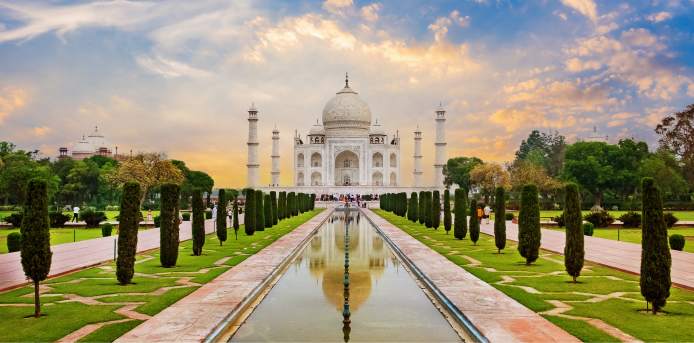
Same Day Agra Tour: Experience the Taj Mahal & Beyond in One Unforgettable Day The Sunrise That Changes Everything There’s a moment — just before 6:30 AM — when the first light hits the Taj Mahal’s white marble and the entire structure glows a pale, ethereal pink. The reflection shimmers across the long pool. The morning mist hasn’t fully lifted. And you’re standing there, coffee still warm in your bloodstream from a dawn departure out of Delhi, thinking: This was worth every minute of that early alarm. That’s the magic of a same day Agra tour. No multi-day itinerary. No hotel check-ins. No overpacking. Just one focused, deeply immersive day in one of the world’s most extraordinary cities — and you’re back home by nightfall. Every year, thousands of international travelers — from New York, London, Sydney, and beyond — make this exact trip. And they don’t just see the Taj Mahal. They walk through Mughal-era fortresses, taste street food that’s been perfected over four centuries, and discover stories that no textbook ever told them. This guide is everything you need to plan that day. Not a surface-level overview. A real, detailed, experience-driven roadmap — built from the ground up. 👉 Want a stress-free same day Agra tour with expert local drivers? [Contact Cabs in Agra] for custom itineraries and instant quotes. Quick Answer: What Is a Same Day Agra Tour? A same day Agra tour is a round-trip day excursion — typically from Delhi — where travelers visit Agra’s top landmarks including the Taj Mahal, Agra Fort, and optionally Mehtab Bagh or Fatehpur Sikri, and return to their starting city within 12–16 hours. The trip can be done by private car (3–4 hours each way), express train (Gatimaan/Shatabdi, ~1.5–2 hours), or a combination of both. It’s the most popular single-day excursion in India. What Exactly Is a Same Day Agra Tour? Overview A same day Agra trip is designed for travelers who want to experience the cultural and architectural highlights of Agra without staying overnight. It’s the single most popular day trip in India and among the top 10 day excursions globally. Location Agra sits on the banks of the Yamuna River in Uttar Pradesh, approximately 230 km (143 miles) southeast of Delhi. The city is accessible via the Yamuna Expressway (by car) or the Delhi–Agra rail corridor (by train). Highlights at a Glance Attraction Time Needed Why It Matters Taj Mahal 2–3 hours UNESCO World Heritage Site; one of the New Seven Wonders of the World Agra Fort 1.5–2 hours Massive Mughal fortress with royal quarters; UNESCO site Mehtab Bagh 30–45 min Garden across the river with iconic Taj Mahal sunset views Itimad-ud-Daulah 45 min–1 hour “Baby Taj” — delicate marble tomb predating the Taj Fatehpur Sikri 1.5–2 hours Abandoned Mughal capital; 37 km from Agra; UNESCO site Local Food Experience 1 hour Famous petha, chaat, Mughlai cuisine Why This Tour Is Famous Three reasons. First, accessibility. Delhi to Agra is one of the best-connected routes in India — world-class expressway, high-speed trains, and abundant private cab services. Second, concentration of monuments. Agra packs three UNESCO World Heritage Sites within a 40-km radius. Few cities on Earth match that density. Third, emotional impact. The Taj Mahal isn’t just an architectural achievement. It’s a love story carved in marble. People don’t just see it — they feel something. And that feeling, concentrated into a single day, is powerful. The History Behind What You’ll See A City Built by Emperors Agra’s golden era began in 1526 when Babur, the first Mughal emperor, defeated Ibrahim Lodi at the Battle of Panipat and established his court here. For the next 150 years, three of history’s greatest builders — Akbar, Jahangir, and Shah Jahan — transformed this riverside city into the capital of an empire that controlled most of South Asia. The Taj Mahal: 1632–1653 Shah Jahan commissioned the Taj Mahal in 1632 after the death of his beloved wife Mumtaz Mahal, who died during childbirth of their 14th child. The construction took approximately 22 years and involved: 20,000+ artisans from across Asia and Europe 1,000 elephants transporting materials White marble quarried from Makrana, Rajasthan (330 km away) Semi-precious stones sourced from Sri Lanka, Tibet, Arabia, and Russia A cost estimated at 32 million rupees in 1653 (roughly $827 million USD in today’s money) Agra Fort: Power and Imprisonment Akbar began reconstructing the Agra Fort in 1565, transforming an earlier brick structure into a massive red sandstone fortress spanning 94 acres. It served as the seat of Mughal power until Shah Jahan moved the capital to Delhi. The cruel irony: Shah Jahan spent his final eight years imprisoned inside this very fort — by his own son, Aurangzeb — gazing across the Yamuna at the Taj Mahal, the monument he built for the wife he lost. Fatehpur Sikri: The City That Was Abandoned In 1571, Akbar built an entire city at Fatehpur Sikri — 37 km from Agra — as his new capital. It was magnificent: mosques, palaces, courts, a massive gateway. But within 14 years, the water supply failed. The city was abandoned. Today, it stands as one of the best-preserved Mughal ghost cities in the world. The Human Story: Why This Isn’t Just Architecture When you stand in front of the Taj Mahal, you’re not looking at a building. You’re looking at grief made permanent. Shah Jahan didn’t commission a monument. He commissioned a promise — that love, when it’s real enough, can outlast death. The marble inlays aren’t decorative choices. They’re Quranic verses about paradise. The symmetry isn’t mathematical perfectionism. It’s a reflection of Islamic gardens of heaven. And the empty space beside Mumtaz’s cenotaph? That’s where Shah Jahan was eventually placed — the only asymmetrical element in the entire complex. Even in death, the design tells a story. This is what separates a same day Agra trip from a casual sightseeing stop. When you understand why these buildings exist, the experience transforms from tourism into something that stays with you. At Agra Fort, stand in the Musamman Burj — the octagonal tower where Shah Jahan was imprisoned. Look east, toward the Taj Mahal across the river. That was his view.

