

Golden Triangle Tours
Baby Taj, Sikandra or Fatehpur Sikri – Which One Should You Visit and Why?
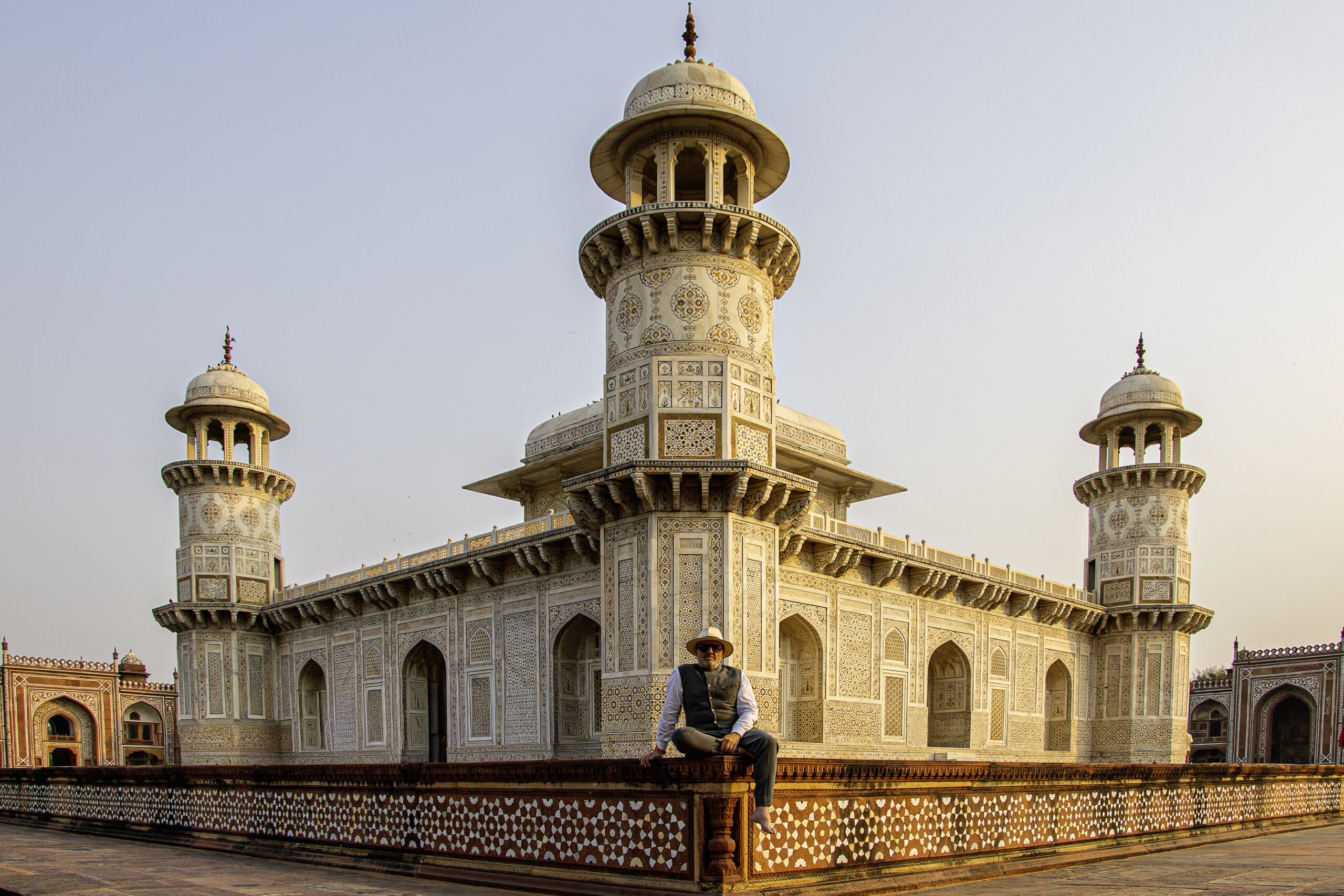
Agra Travel Guide Baby Taj, Sikandra or Fatehpur Sikri – Which One Deserves Your Time and Why? 📝 By Cabs in Agra 📅 July 2025 ⏱️ 8 min read Here’s a confession most travel guides won’t make: the Taj Mahal is not the only reason Agra will stay with you forever. Sure, it’s the headliner—the monument that launches a thousand Instagram posts. But step just a few kilometres beyond that white marble icon, and you’ll discover three Mughal masterpieces that genuinely compete for your heart. I’m talking about the Baby Taj (Tomb of Itimad-ud-Daulah), Sikandra (Akbar’s Tomb), and the abandoned ghost city of Fatehpur Sikri. After spending years helping international visitors plan their city tour of Agra by car, I’ve lost count of how many travellers later told me these three sites moved them more than the Taj itself. The problem? Most first-time visitors have no idea which ones to prioritise, especially when time is tight. This guide breaks down each monument honestly—the atmosphere, the history, the photography potential, and the logistics—so you can decide exactly what belongs on your itinerary. 🕌 3 Monuments 📍 37 km Farthest Point 🎟️ ₹310 Foreign Tourist Entry (Avg) ⏰ 6–7 hrs Total Tour Time Baby Taj – The Jewel Box on the Yamuna Baby Taj (Itimad-ud-Daulah) – Often called the “draft” for the Taj Mahal, this delicate marble tomb sits peacefully on the banks of the Yamuna River. The Tomb of Itimad-ud-Daulah—universally nicknamed the Baby Taj—sits on the opposite bank of the Yamuna, about 5 kilometres from the Taj Mahal. Built between 1622 and 1628 by Empress Nur Jahan for her father, this monument is historically significant for a reason most guidebooks gloss over: it was the first Mughal structure built entirely from marble, and the first to use the pietra dura inlay technique that would later define the Taj Mahal. Walking through the Baby Taj feels like stepping inside a jewellery box. The semi-precious stone inlays—carnelian, jasper, lapis lazuli, topaz—catch the light differently with every shift of your angle. The lattice screens (jali work) are so finely carved you’d swear they were made of lace rather than marble. It’s smaller than the Taj, yes, but that intimacy is precisely its magic. You can stand inches from the wall and trace 400-year-old craftsmanship with your fingertips. Why Choose Baby Taj? Crowd factor: Dramatically fewer tourists than the Taj Mahal—morning visits often feel private Photography: Arguably the finest close-up detail shots of any Agra monument Time required: 45 minutes to 1 hour is plenty Best paired with: Mehtab Bagh (both are on the same riverbank) Pro Tip Visit the Baby Taj between 7:00 and 8:30 AM when the soft morning light illuminates the white marble with a warm glow. By mid-morning, tour buses from Delhi arrive and the peaceful atmosphere evaporates. If you arrange your sikandra and baby taj sightseeing through a reliable cab, your driver can time your arrival perfectly. Sikandra – Akbar’s Grand Farewell Akbar’s Tomb at Sikandra – A five-storey architectural wonder set amid sprawling Mughal gardens on the outskirts of Agra city. About 13 kilometres northwest of the Taj Mahal, on the Agra-Delhi highway, you’ll find Sikandra—the final resting place of Emperor Akbar, the greatest of the Mughal rulers. Akbar actually began designing his own tomb during his lifetime (a common Mughal practice), but it was his son Jahangir who completed it in 1613. What strikes you first at Sikandra is sheer scale. The main gateway—a colossal red sandstone structure inlaid with white marble geometric patterns—is so photogenic that many visitors mistake it for the tomb itself. Beyond it, a formal Mughal char bagh garden stretches outward, and roaming freely through the grass you’ll spot langur monkeys, peacocks, and even spotted deer. It feels more like a serene national park than a cemetery. The tomb itself is a five-storey pyramidal structure that blends Hindu, Christian, Islamic, Buddhist, and Jain architectural motifs—a deliberate reflection of Akbar’s famous religious tolerance and his syncretic faith, Din-i-Ilahi. The top floor is an open marble terrace where Akbar’s cenotaph sits under the open sky, a stark contrast to the enclosed chambers of most Mughal tombs. Why Choose Sikandra? Historical depth: The most architecturally unique Mughal tomb in India—five distinct levels, each in a different style Nature + Heritage: Wild peacocks and deer inside the complex create an unexpected experience Crowd factor: Very few tourists, even during peak season Time required: 1 to 1.5 hours Important Notice The langur monkeys at Sikandra can be mischievous. Keep your water bottles, sunglasses, and any loose items secured. They’re not aggressive, but they are opportunistic. Don’t feed them—it’s both dangerous and against the rules. Fatehpur Sikri – The Ghost City That Still Speaks Fatehpur Sikri – Emperor Akbar’s abandoned capital city, now a UNESCO World Heritage Site, standing virtually unchanged since the 16th century. If Baby Taj is a jewel box and Sikandra is a garden of contemplation, then Fatehpur Sikri is an entire Mughal film set frozen in time. Located 37 kilometres southwest of Agra, this was Emperor Akbar’s purpose-built capital city—constructed between 1571 and 1585, occupied for only 14 years, and then mysteriously abandoned, probably due to water scarcity. Recognised as a UNESCO World Heritage Site, Fatehpur Sikri is one of the finest examples of Mughal civic planning anywhere on Earth. The Buland Darwaza (Gate of Magnificence) soars 54 metres high—it was the tallest gateway in the world when built. Inside the complex, you’ll walk through the Panch Mahal, Diwan-i-Khas, Jodha Bai’s Palace, and the tomb of Sufi saint Salim Chishti, whose white marble shrine glows like a pearl inside the red sandstone courtyard. The agra to fatehpur sikri cab ride takes about 40 to 50 minutes along a well-maintained highway. It’s a comfortable drive, and most Agra cab services include it as part of a full-day extended sightseeing package. Why Choose Fatehpur Sikri? Scale and drama: Nothing in Agra matches the cinematic grandeur of walking through an entire abandoned Mughal city UNESCO status: One of
Best Time to Visit Taj Mahal by Car
Same Day Agra Tour by Cabs in Agra Best Time to Visit Taj Mahal by Car Visiting the Taj Mahal is a once-in-a-lifetime moment for many travelers. But what most people don’t realize is that timing plays a huge role in how special that visit feels. The right time of day, the right season, and the right way to reach the monument can turn a crowded stop into a calm and memorable experience. Traveling by car gives you that control. Let’s break it down in a simple way. Early Morning Is the Best Time of the Day If there’s one clear winner, it’s early morning. Reaching the Taj Mahal around sunrise is widely considered the best experience. Why? The marble looks softer and more beautiful in early light Temperatures are pleasant, especially in summer Crowds are thinner compared to midday You get more time inside without feeling rushed When you travel by private cab, early morning visits become easy. You don’t depend on public transport schedules or shared tours. Your driver picks you up directly from your hotel, so you arrive fresh and on time. Avoid Midday If Possible Late morning to early afternoon is the busiest time at the Taj Mahal. Tour buses arrive, group tours gather, and the heat builds up quickly. If you must visit during this time: A car helps you avoid walking long distances You can take breaks easily Air-conditioned travel makes a big difference Still, if you have flexibility, try to avoid this slot. Late Afternoon and Sunset Visits Late afternoon can also be a good option, especially in winter months. The crowds slowly reduce, and the light becomes warmer again. While sunset views are beautiful, entry timings matter, so planning is important. A local cab driver knows the best time to reach the parking area and which gate works best at that hour. That local understanding saves time and effort. Best Season to Visit Taj Mahal by Car October to March is the most comfortable season. Weather stays pleasant, and long car journeys feel easy. This is also peak tourist season, so early starts are important. April to June can be very hot, but visiting early morning by car makes it manageable. Air-conditioned travel helps you avoid exhaustion. July to September is monsoon season. Fewer tourists, greener surroundings, but occasional rain. Roads are still fine, and car travel remains the most convenient option. Why Visiting by Car Makes a Difference Reaching the Taj Mahal by car offers comfort that other options don’t. Direct pick-up from hotel No stress about local transport Easy movement with family or elders Safe place for belongings Flexible return timing For couples, families, and first-time visitors, a private cab turns the visit into a relaxed experience rather than a rushed one. Special Tip for First-Time Visitors If this is your first visit to the Taj Mahal, plan for: Early morning entry Private cab with an experienced local driver Enough buffer time for security checks This way, you focus on the monument, not on logistics. Final Thoughts The Taj Mahal is timeless, but your experience depends on when and how you visit. Early morning remains the best time of day, and traveling by car gives you freedom, comfort, and peace of mind. Whether you’re visiting in peak season or during quieter months, a private cab helps you enjoy the journey as much as the destination.

